
When comparing epoxy vs polyurethane, it’s important to understand how each performs under pressure, especially in high-traffic or industrial environments. From coating a garage, warehouse, or factory floor, choosing the right paint can mean the difference between long-term durability and frequent maintenance.
What is the difference between epoxy and polyurethane paint?
The difference between epoxy and polyurethane paint starts with their composition and performance.
What is epoxy paint?
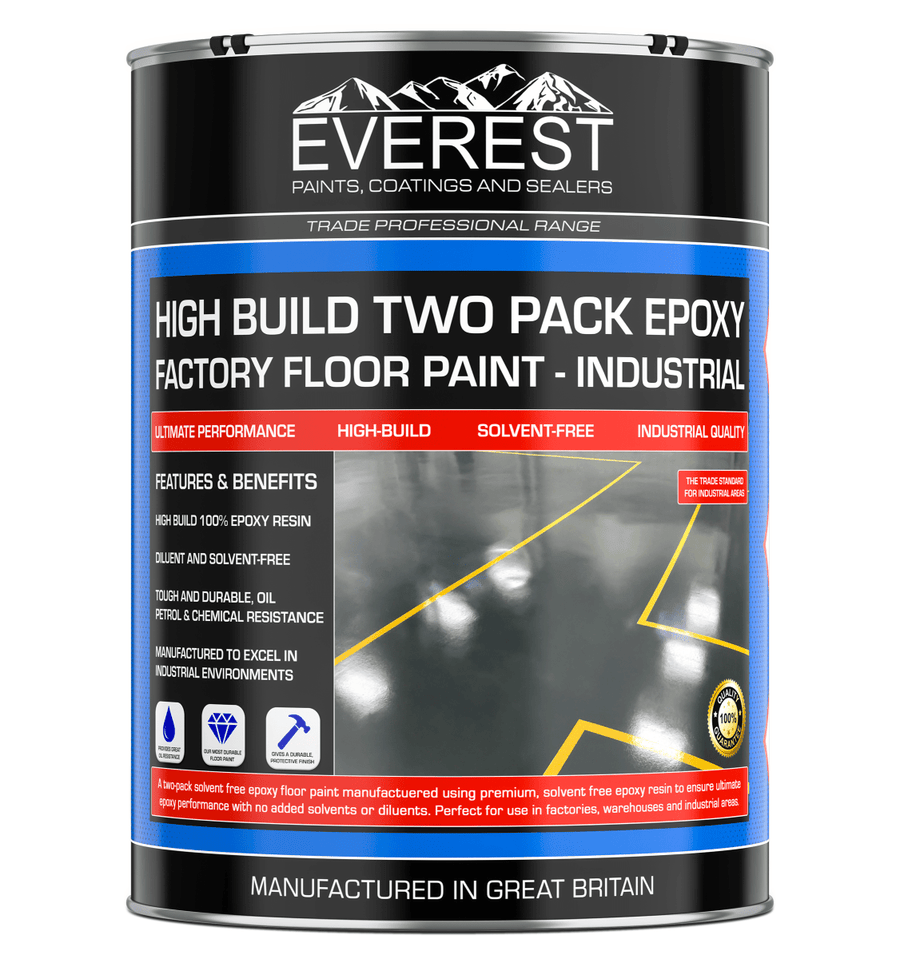
Epoxy paint is a two-part coating made from resin and hardener. Once mixed, it creates a rigid, highly durable surface that bonds strongly to concrete. This makes it ideal for heavy-duty areas like workshops and industrial floors.
What is polyurethane paint?
Polyurethane is a more flexible coating that provides excellent resistance to UV rays, chemicals, and abrasion. It’s often used where slight movement or exposure to sunlight is expected.
In short:
-
Epoxy = harder, thicker, stronger bond.
-
Polyurethane = more flexible, better for topcoats and UV exposure.
If you’re exploring options, you can browse a full range of epoxy floor paint solutions or compare with polyurethane floor paints.
Epoxy vs Polyurethane for heavy use
When it comes to epoxy vs polyurethane in demanding environments, epoxy typically tends to come out on top for raw strength.
Epoxy coatings:
-
Handle heavy machinery and forklift traffic
-
Resist oil, chemicals and impact damage
-
Provide a thicker, more protective layer
For example, a product like the factory floor paint epoxy resin is designed specifically for industrial strength. Similarly, garage spaces benefit from options like HB epoxy garage floor paint or even anti-slip high build epoxy for added safety.
Polyurethane, while durable, is generally better suited as:
-
A protective topcoat over epoxy
-
A solution for areas exposed to sunlight
-
A coating where flexibility is needed
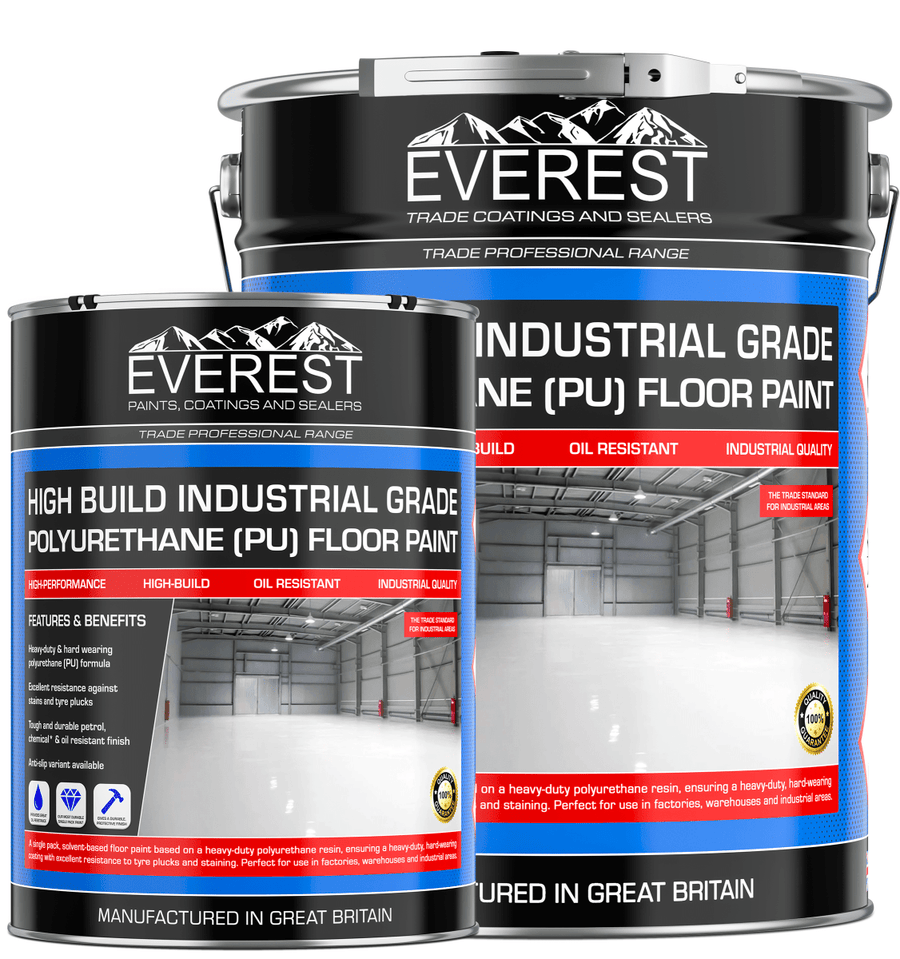
Products such as Everest Trade industrial floor paint or heavy-duty polyurethane concrete paint are solid choices, but they don’t quite match epoxy’s compressive strength.
What is epoxy floor paint and why is it so strong?
What is epoxy floor paint? It’s essentially epoxy formulated specifically for flooring applications, offering superior adhesion and resistance.
It’s strength comes from:
-
Chemical curing that forms a hard plastic-like surface
-
Deep penetratiin into concrete (especially when paired with a deep penetrating epoxy primer sealer)
-
High build thickness for long-term wear resistance
This is why epoxy is often the go-to for warehouses, factories, and garages where durability is critical.
Where polyurethane performs better
Although epoxy wins on strength, polyurethane has its place.
It excels in:
-
UV resistance (won’t yellow in sunlight)
-
Flexibility (less prone to cracking with slight movement)
-
Smooth, glossy finishes
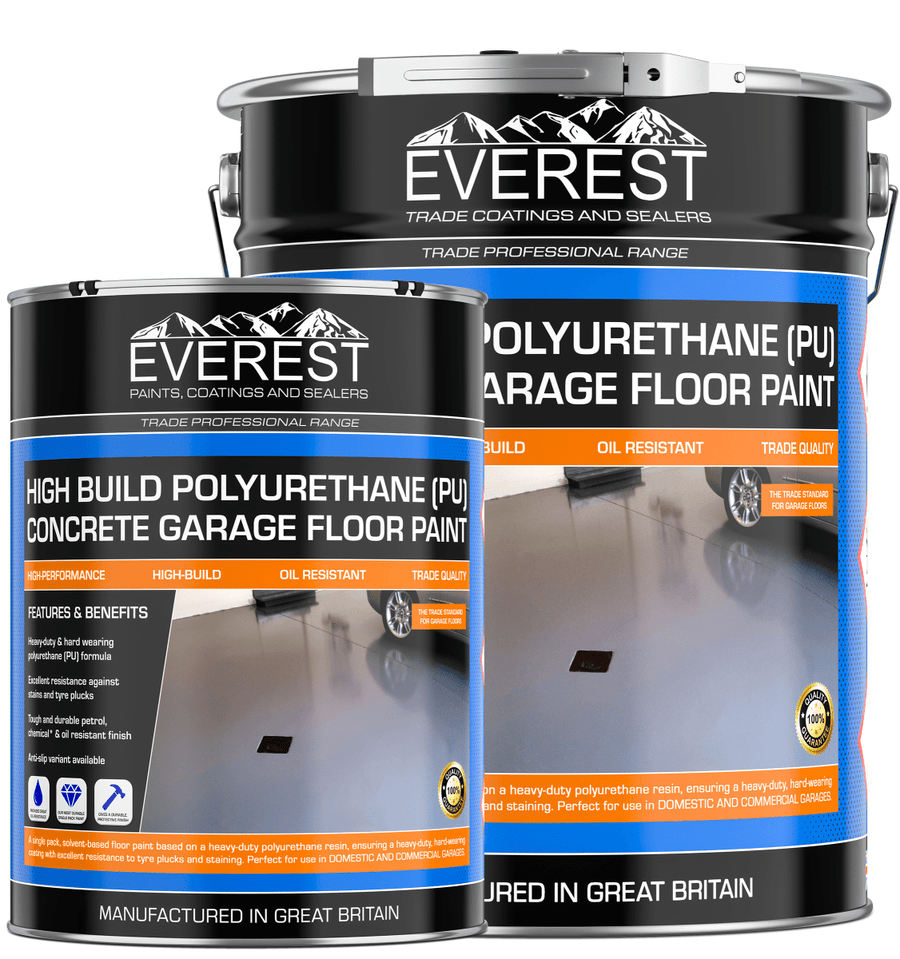
For garages or workshops needing grip and durability, a product like Everest Trade anti-slip PU garage floor paint is a practical option.
What is the best paint brush for polyurethane?
When applying polyurethane, using the right tools is highly important. So what is the best paint brush for polyurethane?
For floor coatings, rollers are usually preferred over brushes for even coverage. A professional kit like the ProDec 12” roller application kit (heavy duty) ensures smooth and consistent results. For larger areas, a scuttle system such as the ProDec scuttle double arm kit can speed up the process.
Final Verdict
In the debate of epoxy vs polyurethane, epoxy is the clear winner for heavy-duty use.
-
Choose epoxy floor paint for maximum strength, durability and impact resistance
-
Choose polyurethane paint for flexibility, UV resistance, and finishing coats
For most industrial or high-traffic floors, epoxy provides the strongest and longest-lasting solution. Polyurethane works best as a complementary layer or for lighter-duty environments.
If strength is your top priority, epoxy is the smarter investment.