
Industrial floors are designed to endure heavy traffic, machinery, and constant wear. However, over time, even the toughest floor coatings can start to peel. Whether you’re managing a factory, warehouse, or garage, peeling paint can affect both the appearance and safety of your floor. The good news? Peeling floor paint is both preventable and fixable.
Peeling paint can occur in various settings, from industrial warehouses to garage floors, where heavy traffic and machinery contribute to wear and tear. In this guide, we’ll explore the causes of peeling floor paint, explain how to fix it, and provide expert advice on preventing it from happening again. Ready to restore your floor? Let’s get started.
Common Reasons Industrial Floor Paint Peels
One of the most common problems in industrial spaces is paint peeling. Whether it’s due to moisture or poor surface preparation, paint peeling can be a costly and time-consuming issue.
Moisture Under the Surface
Moisture is a leading cause of coating failure in industrial environments. Concrete floors, particularly in high-humidity areas or places exposed to water, can trap moisture beneath the paint. This trapped moisture can cause the paint to lift, leading to peeling.
Poor Surface Preparation
If you notice flaking paint, it's often a sign that the floor hasn’t been properly prepared. Before applying any floor paint, proper surface preparation is essential. If the floor isn’t thoroughly cleaned or if there’s leftover grease, old paint, or dirt, the new coat won’t adhere properly, leading to peeling.
→ Browse top-quality Quick-Drying Floor Paints to refresh your floor with minimal downtime
Incorrect Paint Type
Using the wrong type of paint for the environment can also result in peeling. Industrial floors, especially in heavy machinery areas, require durable, industrial-grade paint. Regular paint might not withstand the wear and tear, leading to premature peeling.
Will a New Coat of Paint Fix a Peeling Floor?
When a New Coat Helps
If peeling is caused by surface wear and not deeper issues, applying a fresh coat of paint might solve the problem. However, before re-coating, it’s essential to first address any issues such as moisture or surface contamination to ensure the new coat will adhere properly.
Why It May Not Fix the Problem
If moisture or poor surface preparation is causing the peeling, applying a new coat won’t solve the problem. It’s important to address these underlying issues before applying a new layer of paint, or you’ll be left with the same peeling floor down the line.
How Do I Test for Moisture in a Concrete Floor?
The Plastic Sheet Test
A simple test to detect moisture in your concrete floor is the plastic sheet test. Place a plastic sheet on the floor and seal the edges. After 24 hours, check for condensation underneath the plastic. If moisture is present, it’s time to take action.
Using a Moisture Meter
For a more precise reading, use a moisture meter. This tool accurately measures moisture levels in the concrete and helps ensure that your floor is properly prepared for painting.
Fixing a Peeling Floor: Practical Solutions
Remove the Peeling Paint
To ensure the new coat bonds well, you must first remove the peeling paint. Use a floor scraper or a sander to strip away the old paint completely. This step is crucial for a smooth, long-lasting finish.
Apply Concrete Primer & Sealer
Once the floor is prepped, apply a high-quality concrete primer and sealer. This will ensure proper adhesion and prevent future peeling. A good primer also helps to seal the surface, reducing moisture penetration.
|
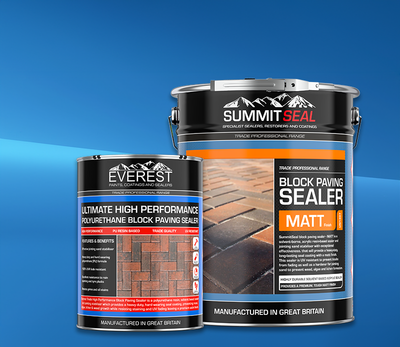
Our Top Pick: Everest Trade - Penetrating Polyurethane Concrete Dustproofer / Floor Primer & Sealer |
The Premium Paints' top choice is manufactured for use in factories, warehouses, and industrial units.
|

→ Explore our range of high-performance primers and sealers for industrial floors
Use the Right Floor Paint
Selecting the right paint for your industrial floor is essential. For heavy-duty environments, choose epoxy or polyurethane floor paints. These coatings offer superior durability and chemical resistance, making them ideal for machinery-heavy areas.
For machinery-heavy areas, epoxy coatings are an excellent choice due to their durability and ability to withstand heavy wear without peeling or flaking.
|
Our Top Pick: Everest - Ultimate QD Concrete Floor / Patio Paint & Sealer - Internal & External - Anti-Slip |
The Premium Paints' top choice is designed for use internally and externally with excellent anti-slip features.
|

→ Shop quick-drying floor paint for durability
Preventing Peeling in the Future
Proper Surface Preparation
Ensure your floor is clean, dry, and properly prepped before applying any paint. Surface preparation is the foundation of a successful paint job.
Regular Maintenance
A well-maintained floor will last longer and resist wear. Regularly inspect your floors, clean them properly, and touch up areas that show signs of damage to keep them in top condition.
Keep Your Floors in Top Condition
Peeling industrial floor paint doesn’t have to be a recurring problem. By identifying the cause of the peeling, using the right products, and following the proper preparation steps, you can restore your floor to its original state and prevent future issues.