
What is the Best Coating for A Patio?
Figuring out the best coating for a patio isn’t as straightforward as many trade magazines suggest. While some patio sealer products are better than others, it isn’t always true that one is better than another in every setting. In fact, as we will see in this guide, there is significant variation.
Patio paint sealer is useful because it helps to maintain the look of patios. Colours stay fresh and vibrant for longer, preventing them from looking aged and making it easier to clean. Bare slabs and concrete are prone to damage, but adding a barrier product reduces stains, water damage, weathering and other harm caused by the environment. The result is a glossier, fresher-looking patio with fewer weeds and a longer lifespan.
But which coating is the best? That’s the topic of this post. We look at various patio sealer options and paving materials, providing pros and cons and general recommendations.
Concrete Sealers
Concrete sealers are the best patio sealer option for concrete flags. These patios were an affordable and popular option in the past, and still remain common today on older builds.
Concrete sealers remain widely available because of the popularity of concrete driveways and interior smooth concrete surfaces for garages and commercial buildings. These are often made of acrylic and provide a deep protective coating that removes the porosity of the underlying material. Sometimes, you also find polyurethane or epoxy options. These offer different levels of protection, with some sitting on the surface only while others are more penetrating.
PROS
-
Protects against all forms of concrete damage, including stains, UV from sunlight, and water
-
Polyurethane sealers are more robust than acrylic and may extend to concrete surfaces for longer
-
Concrete sealers require minimal skill to apply, making them suitable for DIY projects
CONS
-
Acrylic patio sealer products require regular reapplication (usually every two or three years)
-
It can be hard to apply more advanced polyurethane sealers, and they may start to appear yellow over time
Paver Sealers
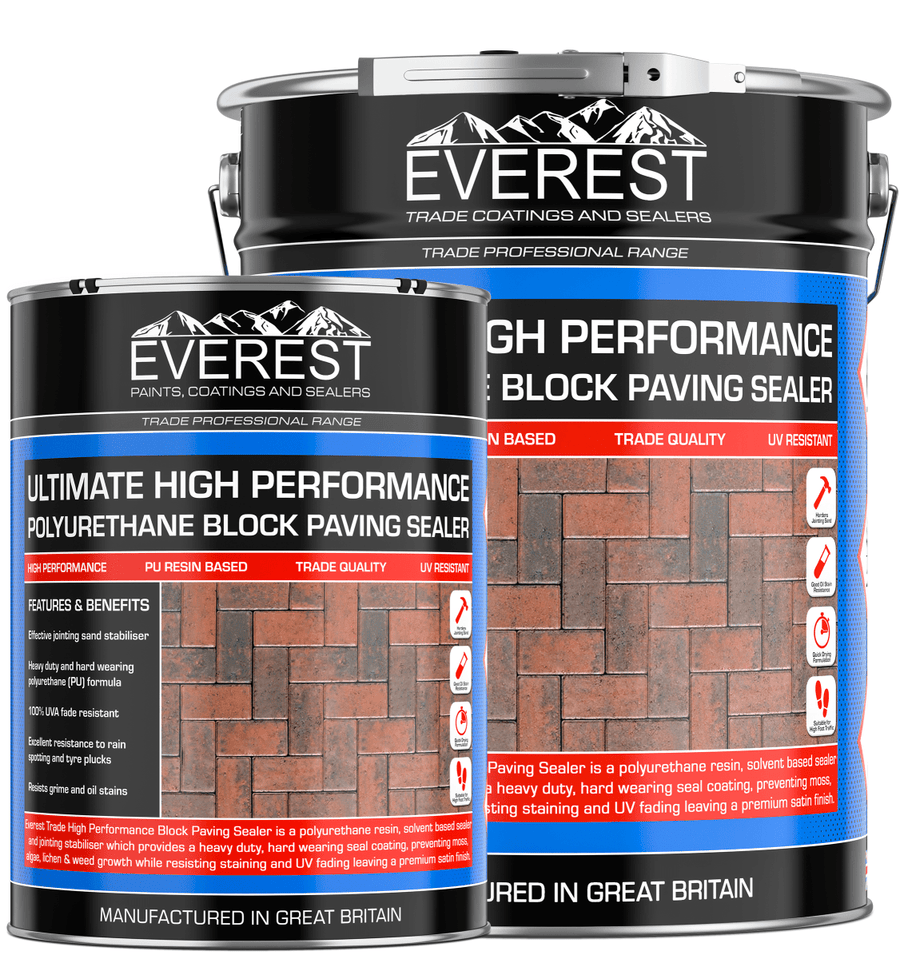
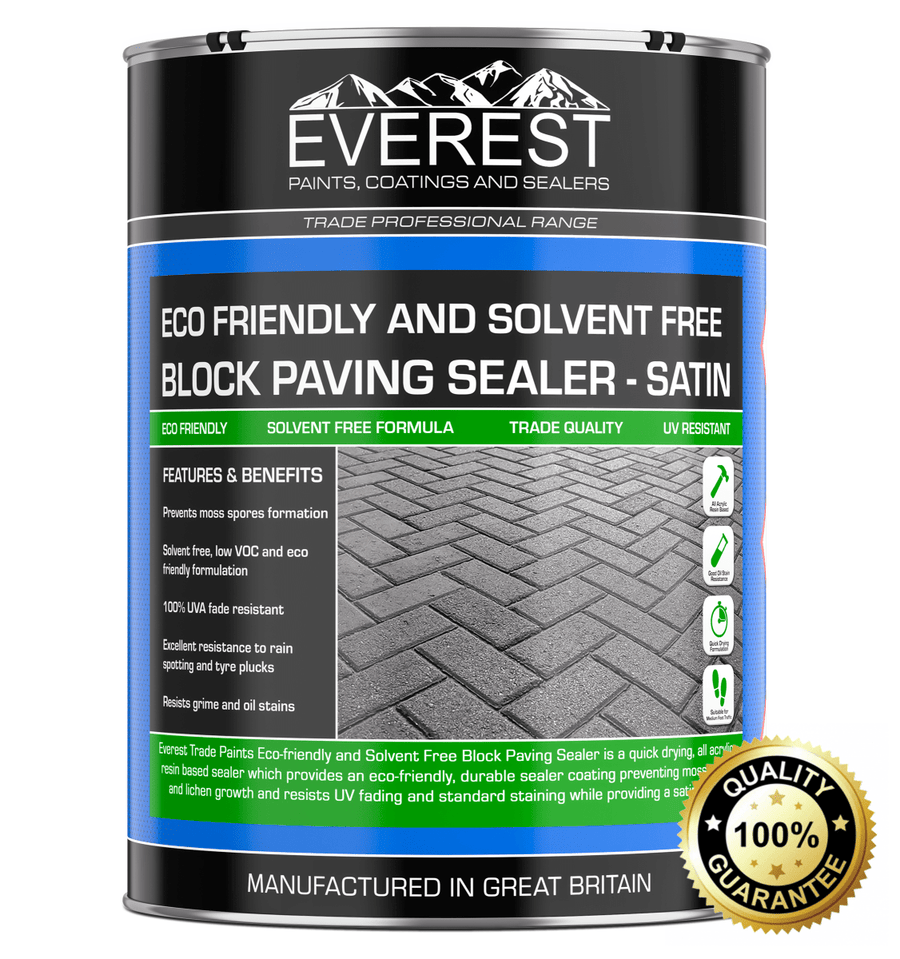
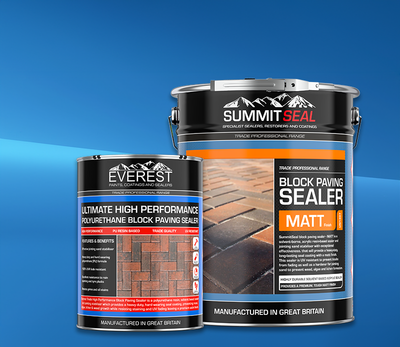
Paver sealers are another common patio paint sealer option. These are specially formulated for patio slabs and come in various solvent- or water-based forms.
The purpose of block paving sealers is to protect the underlying slabs since these products can be expensive, but are prone to wear after extensive weathering.
Conventional paving slabs attract moss, lichens and algae growth, leading to slow and intrinsic degradation over time. However, sealers prevent this from occurring when properly applied, prolonging the life of the underlying material (which can be costly for homeowners).
PROS
-
Ensures that pavers retain their natural colourations over time
-
Easy to use for DIYers and offering quick application for professionals, with high margins
-
Water-based products that protect against stains and weathering without altering the paving appearance
CONS
-
Some paver sealers are solvent-based, which requires respirators to apply to avoid breathing difficulties
-
Some solvent-based options require professional application
-
Non-solvent-based sealers are safer but less protective against weathering and sun damage
Natural Stone Sealers
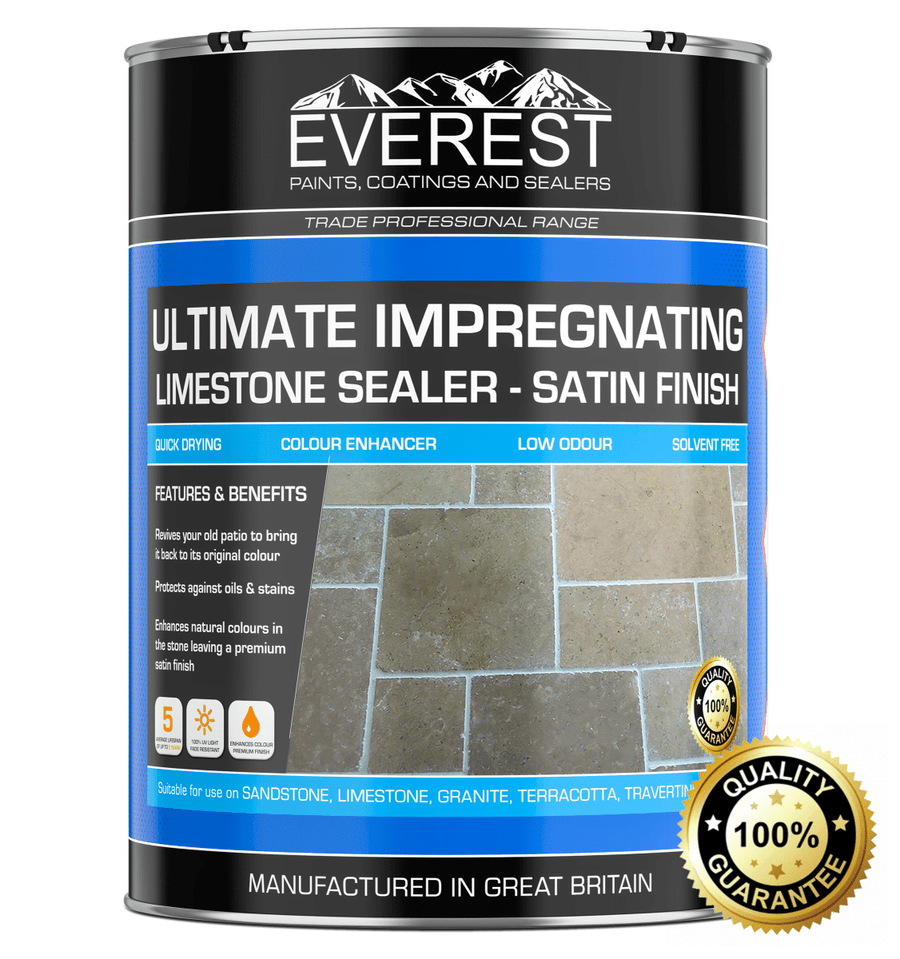
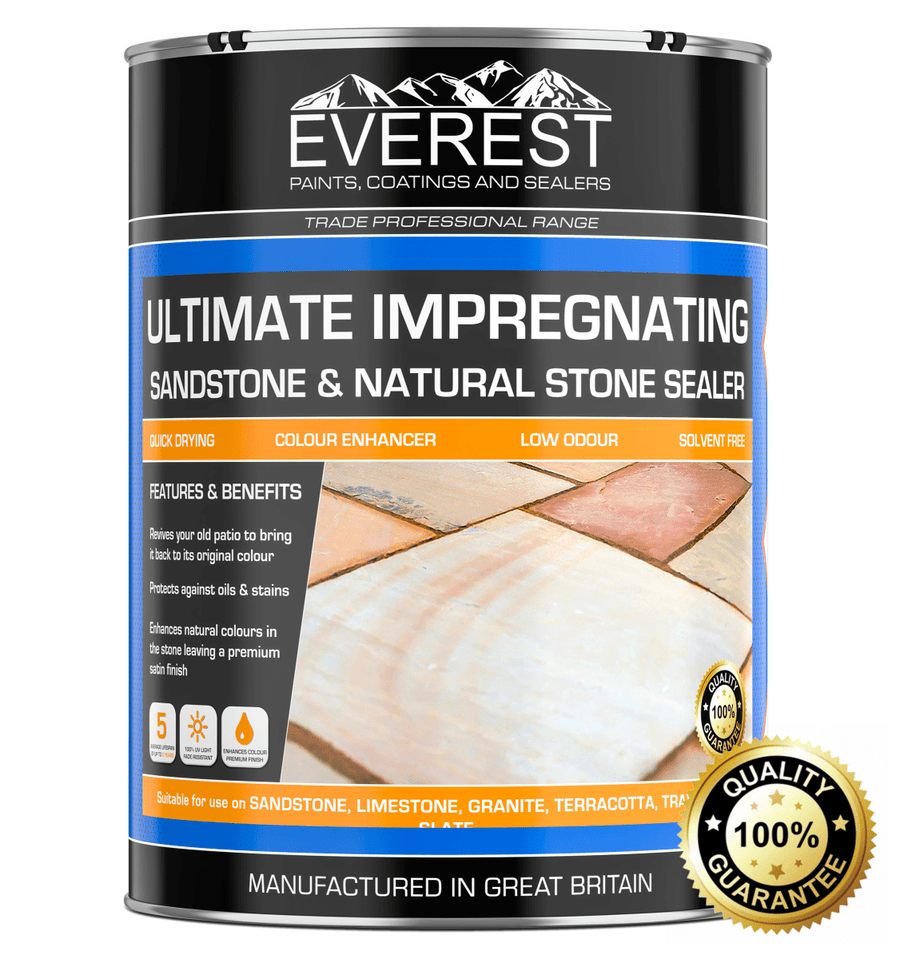
Natural stone patio sealers have a different formulation yet again and are designed to protect stone surfaces from the elements. Most products are penetrating sealers, meaning that they enter the stone to protect its natural appearance, plugging holes to prevent moisture and stain damage. Unlike other sealing products that form a surface layer, natural stone sealers get deep into the material, creating a formidable barrier against oil, water, and even chemical liquids that might cause degradation.
At the same time, manufacturers avoid creating products that cause the stonework to suffocate. Many allow the underlying stone to breathe, avoiding issues that might arise with trapped water.
What’s nice about many of these natural stone sealers is their ability to keep stone looking the way owners want. Formulations preserve the desired aesthetic while providing invisible protection.
PROS
-
Sealers penetrate the stone while allowing it to breathe
-
Most sealers maintain the original aesthetic of the stone, preserving its value
CONS
-
Some formulations may prevent the stone from breathing, causing moisture to build up inside
-
Penetrating sealers are sometimes less effective at protecting against physical wear and tear
Deck Sealers
Deck sealers are for wooden patios and decks and differ quite substantially from the sealer options discussed so far. Products are largely invisible and are primarily designed to prevent wood from rotting. Some may have UV filters in them, but this is less common.
PROS
-
Excellent protection against moisture damage to prevent wood from rotting
-
Can make the underlying wood look better than raw
CONS
-
Requires annual reapplication to keep wood in tip-top condition
-
Despite wood application, many products are not environmentally friendly
General Recommendations For Sealing Patio Slabs, Concrete And Deck
As you can see from this discussion, the sealing options for patios vary substantially from one material to the next. Only choose patio sealers for the paving material you want to protect, as wood sealers won’t work on half as well on concrete, and vice versa.
We’d suggest opting for water-based paver sealers for paver patios. These are straightforward to apply and offer a medium level of protection in most climates and outdoor areas. However, solvent-based options may be better if you expect harsh conditions.
Natural stone pavers need penetrating sealers. These products have a special formulation that protects the stone’s appearance and keeps its original colour. If you don’t use these sealers, you will notice that the stone fades over time and simply doesn’t look as good as it used to.
For concrete, polyurethane is the state of the art for durability. However, it is harder to apply than standard acrylic options and requires a respirator, which could put you or operatives at risk if not properly protected.
No One-Size-Fits-All Patio Paint Sealer
Ultimately, there’s no one-size-fits-all patio sealer product on the market. Sealers vary according to the application, with most formulations designed for specific materials.
Since most patios use pavers, these sealers are the most common, but only use them if your project involves true pavers. If not, check the material and see if there are other options you could use.