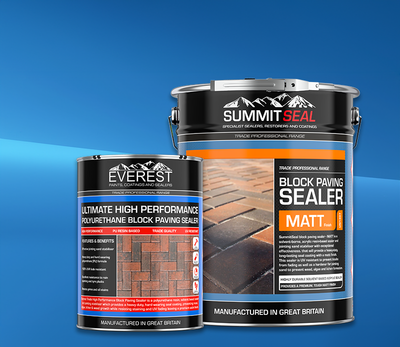

If you manage a busy site, you’ll know the real cost of a floor isn’t just the first tin of paint, it’s the call-outs, downtime, safety issues and constant “touch-ups” that follow when the wrong coating is used.
Industrial-grade paint systems are built to stop that cycle. When the right primer and body coat (where needed) are specified for your substrate and traffic levels, you get a finish that lasts longer, cleans faster, and fails less often.
This means fewer closures and lower maintenance spend over the life of the floor.
The hidden maintenance costs that destroy budgets
Floor failures rarely look dramatic at first. It starts with:
-
Dusting concrete makes cleaning harder and damages stock
-
Hot tyre pick-up in garages and workshops
-
Delamination from moisture, poor prep or incompatible coatings
-
Slip risk from smooth, worn areas (especially in wet zones)
-
Staining and chemical attack from oils, detergents and spills
Every one of these issues increases labour, chemical use for cleaning, re-coat frequency, and (most expensive of all) downtime.
Industrial-grade systems cut long-term maintenance costs by reducing failure points and extending re-coat cycles, giving you less time fixing floors and more time running the operation.
The industrial-grade paint system that reduces maintenance long-term
1) Preparation that prevents early failure
Most “paint didn’t last” complaints come down to prep:
-
Remove contamination (oil, grease, laitance)
-
Key the surface (grind/shot blast where needed)
-
Repair cracks and spalled areas
-
Ensure the floor is dry (or use an appropriate moisture-tolerant solution)
Even the toughest coating struggles on polished or contaminated concrete, which is why correct surface prep is always step one.
2) Primer or sealer that locks down the concrete
A quality primer does two money-saving things:
-
Stops dusting (easier cleaning, less wear)
-
Improves adhesion (fewer delamination repairs)
Where bare concrete is involved, using the right primer/sealer reduces the risk of delamination.
3) Body coat matched to the expected wear and tear level
This is where you choose the chemistry that fits the site.
Two-pack epoxy is a go-to for heavy-duty zones because it’s built to take industrial punishment. Our industrial epoxy floor paints are commonly specified for areas with forklifts, pallet trucks and industrial equipment.
Polyurethane (PU) is often chosen where you want excellent abrasion resistance and a tougher, slightly more flexible film (useful where impact and movement are factors). A polyurethane floor paint system is often used in bUsy commercial areas where durability and flexibility matter.
Single-pack quick-drying floor paints can be ideal where downtime is the enemy, and you need a durable, easy-clean finish on internal concrete floors.
4) Topcoat / anti-slip / extras that lower ongoing risk
This is where you engineer out future problems:
-
Anti-slip aggregates for wet zones and entrances
-
Clear protective topcoats to improve cleanability and extend life
-
Line marking to improve traffic flow and reduce accidents
Anti-slip floor paint systems and compatible coatings are specifically positioned to add grip and prolong the life of the floor in areas exposed to water, oil or frequent cleaning.
Popular commercial flooring solutions (and where they save money)
Epoxy floor paint systems (heavy-duty, easy-clean)
Best for:
-
Warehouses and factories
-
Workshops and service centres
-
Plant rooms and back-of-house areas
Why does it cut maintenance costs?
-
Resists tyre marks and many chemical spills
-
Creates a smooth, professional finish that wipes clean easily
-
Designed for heavy commercial and industrial use, with bulk discounts available on request
Polyurethane floor paint systems (abrasion resistance, flexibility)
Best for:
-
Busy commercial spaces
-
Garages, showrooms and mixed-use areas
Why does it cut maintenance costs?
-
Strong abrasion resistance helps coatings stay intact longer
-
Often a cost-effective alternative when extreme chemical resistance isn’t required
Anti-slip floor paint systems (safety + fewer incidents)
Best for:
-
Ramps, entrances and walkways
-
Food prep adjacent zones
-
Areas that get wet during cleaning
Why does it cut maintenance costs?
-
Reduced slip incidents (fewer claims, fewer disruptions)
-
Longer-life floors thanks to grip-focused systems and compatible primers
Best commercial concrete floor paint
If your substrate is concrete, “best” depends on the abuse level:
-
Forklifts / heavy industrial traffic: Look at a high-build two-pack epoxy system designed for industrial environments, such as our industrial epoxy factory floor paint built for heavy vehicle and equipment traffic.
General commercial foot traffic and easy maintenance: Epoxy or PU, depending on chemical exposure and flexibility needs. -
Fast turnaround areas: Consider a quick-drying, easy-clean floor paint where appropriate, especially for internal concrete floors.
Best commercial kitchen floor paint
Kitchens are brutal: grease, frequent cleaning, hot water, detergents, and constant foot traffic.
For commercial kitchen floor paint, you’ll typically prioritise:
-
Grease resistance and easy cleaning
-
Slip resistance (especially near sinks and wash areas)
-
A coating that can handle frequent washdowns
Epoxy is often used in busy food prep environments because it’s typically resistant to grease and easy to clean - but you should always check specifications for suitability.
What is the best garage floor paint?
The reason garage floors fail early is usually hot tyres, oil contamination, and poor adhesion to smooth concrete.
For “what is the best garage floor paint”, look for:
-
A garage-suitable two-pack epoxy designed for durability in garages/workshops
-
Proper surface prep and cleaning/degreasing
-
Optional anti-slip where water ingress is common
A high-build two-pack epoxy garage floor coating is positioned as a durable option for garages, workshops and service centres.
How to calculate the long-term saving (simple method)
To compare options, estimate cost over 5-10 years:
-
Initial install cost (materials, labour and downtime)
-
Recoat frequency (how often you’ll realistically repaint)
-
Maintenance time (extra cleaning, patch repairs, line re-marking)
-
Failure risk cost (slips, delamination repairs, operational disruption)
In most commercial settings, the industrial-grade system wins because it reduces recoat cycles and cuts downtime - even if the first application costs more.
Get the right floor system first time
If you’re specifying a new floor coating (or fixing a failing one), we can help you choose a system that suits your substrate, traffic, and cleaning routine.
-
Contact Us for free and fast technical advice (phone/email)
-
Ask about bulk discounts on epoxy floor paints for larger commercial areas
Explore our Industrial Floor Paint, Epoxy Floor Paints, Polyurethane Floor Paint, and Anti-Slip Floor Paints ranges to find a system that cuts maintenance long-term.